

Preventive care
Notice a change? Don’t wait for a bigger mess.
A symptom does not prove that you need a replacement. It tells us what to investigate.
Sewage entering the home
Call our 24/7 emergency line now. Stop using plumbing while getting help and keep people and pets away from contaminated water. Do not enter flooded areas where electrical hazards may be present.
Several fixtures slow down together
A shared line or wastewater system may need assessment. Tell us which fixtures are affected and whether the problem has happened before.
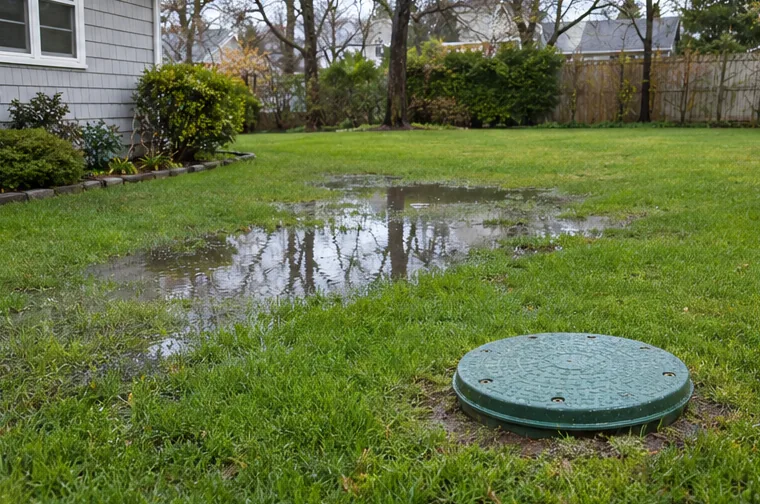
Water, odors or sinking ground outdoors
Keep away from the affected area, particularly around a suspected tank or cover. Describe what changed from a safe, dry location and arrange professional help.
Trouble returns after pumping or clearing
Bring the prior work ticket. Ask what was resolved, what was observed and whether additional diagnosis is needed before repeating the same service.
An equipment alarm sounds
Record the alarm information from a safe location and contact the appropriate service team. Do not bypass an alarm or assume pumping is the correct response for every treatment system.
Catch the right problem early.
Tell us what you’ve noticed and when the system was last serviced. We’ll discuss whether maintenance, a diagnosis or a repair assessment is the right next step.
Helpful next steps
Care references
EPA: frequent questions about septic care, maintenance and additives · EPA: care for your septic system